





What are common causes of inverter failure in vehicles?
Understanding Vehicle Power Inverters: Common Issues and Solutions
Vehicle power inverters are essential devices that convert a vehicle's DC battery power into AC power, allowing the operation of various electronic devices and appliances. However, like all electronic components, inverters can encounter issues that may affect their performance. Below are some common problems associated with vehicle power inverters, their potential causes, and recommended solutions.
1. Inverter Not Turning On
Possible Causes:
Loose or Corroded Connections: Improper or degraded connections between the inverter and the battery can prevent the inverter from powering up.
Low Battery Voltage: If the vehicle's battery voltage is below the inverter's operational threshold (typically around 11 volts for 12V systems), the inverter may fail to start.
Blown Fuse or Tripped Circuit Breaker: Overloads or short circuits can damage fuses or trip circuit breakers, interrupting the inverter's power supply.
Solutions:
Inspect and Clean Connections: Ensure all connections are secure and free from corrosion. Clean terminals with a mixture of baking soda and water, then tighten all cables securely.
Check Battery Voltage: Use a multimeter to test the battery voltage. A reading below 11V indicates a depleted or aged battery, which may need recharging or replacement.
Examine Fuses and Circuit Breakers: Locate the fuse box near the battery input terminals and check for any visible damage. Replace any blown fuses with ones of the same rating.
2. Overheating
Possible Causes:
Insufficient Ventilation: Installing the inverter in a confined space can restrict airflow, leading to overheating.
Overloading: Connecting devices that exceed the inverter's maximum wattage rating can cause excessive heat buildup.
High Ambient Temperatures: Operating the inverter in environments with elevated temperatures can contribute to overheating.
Solutions:
Ensure Adequate Ventilation: Install the inverter in a well-ventilated area, away from heat sources, to facilitate proper airflow.
Monitor Load Capacity: Regularly check the total wattage of connected devices to ensure they do not exceed the inverter's continuous power rating.
Maintain Optimal Operating Conditions: Avoid using the inverter in high-temperature environments and ensure it is not exposed to direct sunlight.
3. High-Pitched Noises
Possible Causes:
Internal Component Vibrations: Loose or improperly installed internal components can vibrate, producing high-pitched sounds.
Overloading: Connecting devices that exceed the inverter's capacity can lead to audible noises.
Faulty Capacitors or Circulators: Malfunctioning internal components may emit unusual sounds.
Solutions:
Reduce Load: Unplug some devices to decrease the load and observe if the noise diminishes.
Inspect Internal Components: If the noise persists, have a qualified technician examine the inverter for potential internal issues.
4. Smoke or Burnt Smell
Possible Causes:
Short Circuits: Faulty wiring or damaged devices can cause short circuits, leading to overheating and potential fire hazards.
Overloading: Exceeding the inverter's power capacity can damage internal components, resulting in smoke or burnt odors.
Solutions:
Immediate Action: Turn off the inverter and disconnect it from the battery to prevent further damage or potential fire hazards.
Inspect for Short Circuits: Check all wiring for signs of damage or wear and replace any faulty components.
Reduce Power Load: Ensure that the total wattage of connected devices does not exceed the inverter's maximum capacity.
5. Inverter Not Providing AC Output
Possible Causes:
Poor Contact with DC Power Outlet: Loose or corroded connections between the inverter and the vehicle's DC power outlet can prevent AC output.
Vehicle's Electrical System Requirements: Some vehicles require the ignition to be in the 'Accessory' position for the DC outlet to provide power.
Blown Fuse in Vehicle's DC Power Outlet: A blown fuse can interrupt the power supply to the inverter.
Solutions:
Check DC Power Outlet: Ensure the inverter is securely plugged into the vehicle's DC power outlet. If the outlet is faulty, consider replacing it.
Verify Vehicle's Electrical System: Turn the vehicle's ignition to the 'Accessory' position to enable the DC outlet.
Inspect Vehicle's Fuse Panel: Check the vehicle's fuse panel for any blown fuses and replace them as needed.
Regular maintenance and proper installation are crucial for the longevity and reliable performance of vehicle power inverters. By addressing these common issues promptly, you can ensure that your inverter continues to provide consistent power for your electronic devices and appliances.
Congsin's Advantages:
Congsin offers high-quality power inverters designed for durability and efficiency. With a focus on user-friendly installation and comprehensive customer support, Congsin ensures that your power needs are met with reliability and ease.
Vehicle Power Inverter Issues and Solutions
Explore common problems with vehicle power inverters, their causes, and effective solutions to ensure reliable performance.
vehicle power inverter, inverter issues, inverter troubleshooting, power inverter solutions
vehicle-power-inverter-issues-solutions
References:
American Van. (2025). Common Issues With Power Inverter for Truck & How To Fix Them.
Flex PCB. (2024). Power Inverter Troubleshooting – Common Problems and How to Fix Them.
Top Bull Shop. (2025). Power Inverter Problems: 5 Most Frequent Issues and How to Solve.
Exeltech. (2021). Top six common reasons to why inverters fail.
CyberPower. (2025). Why is my power inverter not working?
PDS Balancing. (2024). What Causes Inverters to Fail and How to Fix Them.
Automation. (2014). The top five things that cause inverter failure.
OurPCB. (2025). Power Inverter Troubleshooting – Common Problems and How to Fix Them.
TYCORUN. (2025). 10 common inverter failure and the solutions.


OEM & ODM Services
What’s the main difference between your OEM and ODM services?
OEM uses your brand on our standard products; ODM creates entirely new products based on your concept or specification.
Modified Sine Wave Inverters
Can other input voltages be customized?
Yes, the regular is DC12V, and DC24V, etc. can be customized. Please consult customer service for details.
Can 4 USB ports charge 4 mobile phones at the same time?
Yes, the total current of 6.8A can support simultaneous fast charging of multiple devices, and the charging efficiency is guaranteed.
Which types of batteries can it be used with?
It is suitable for common DC batteries such as 12V lead-acid batteries and lithium batteries. Please ensure the battery voltage matches the inverter's input voltage before use.
Distributor
Do you provide marketing and sales materials?
Yes, we provide a range of marketing resources, including brochures, digital content, and product training.
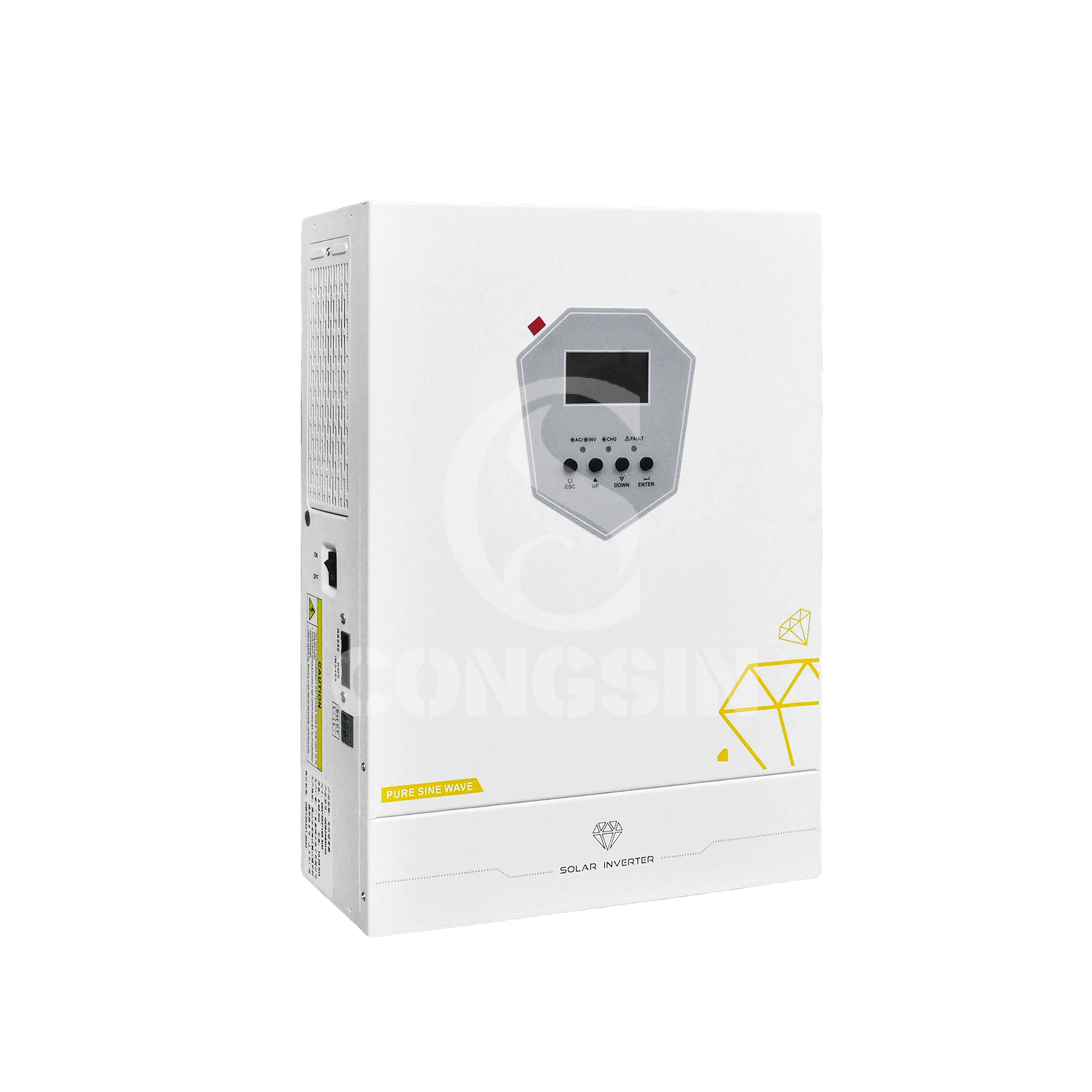
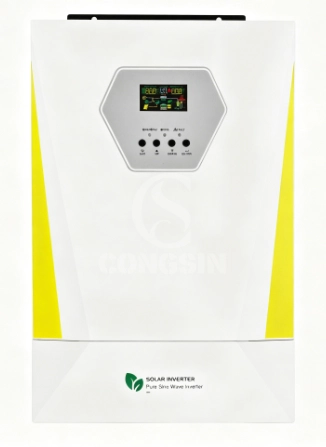
Power your solar system efficiently with the Congsin 4000W and 6000W Hybrid Inverter. Featuring an integrated MPPT Controller, this CE Certified inverter ensures optimal energy conversion. Monitor performance effortlessly via the intuitive LCD Display. Reliable, powerful, and ready for your sustainable energy needs.
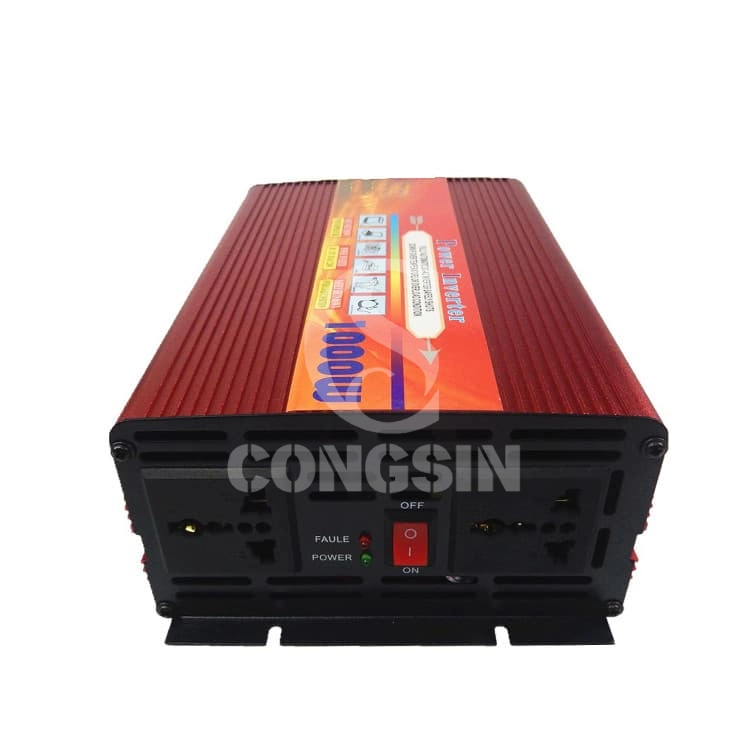
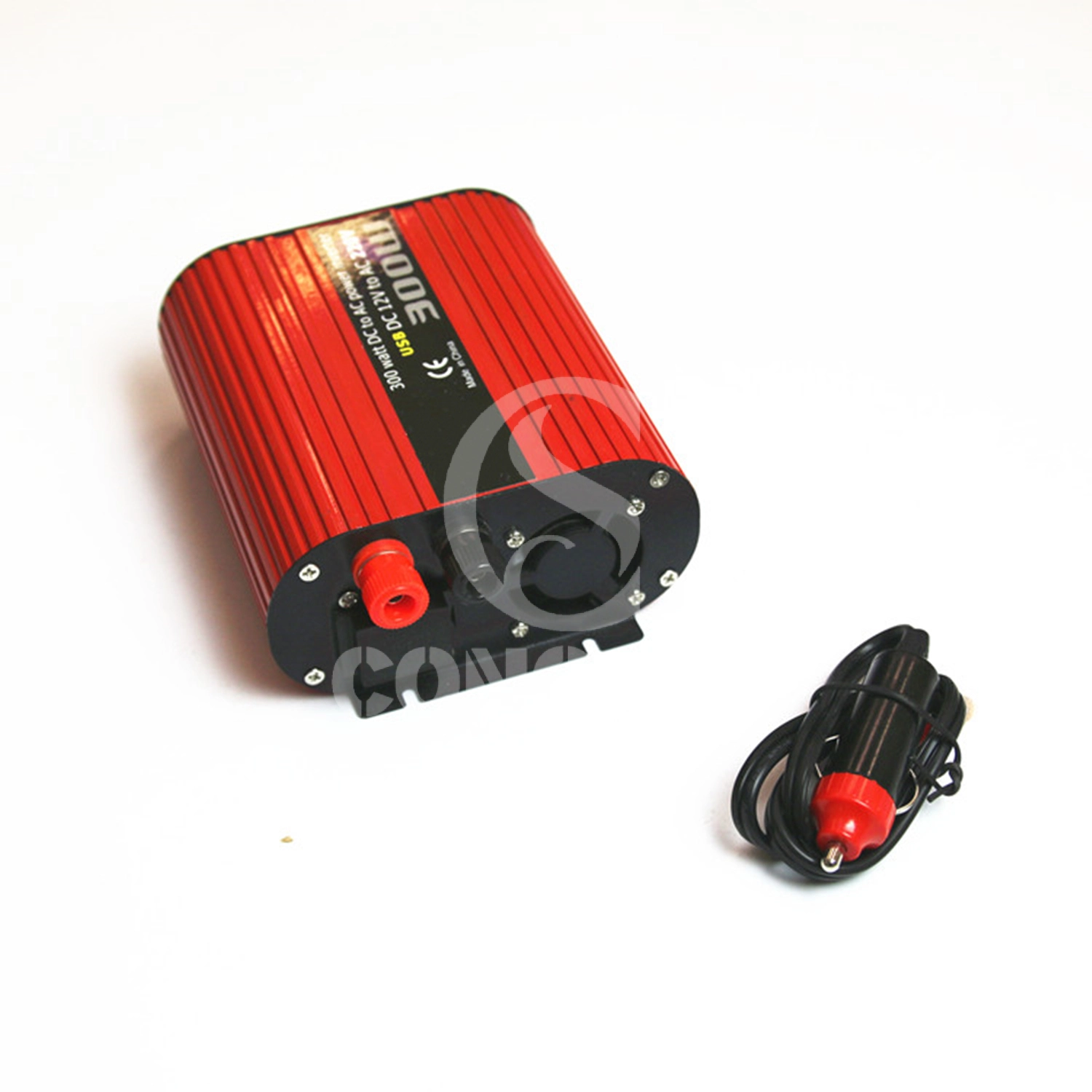
Congsin's Portable 150W Modified Sine Wave Inverter powers your journey! This versatile Car Power Inverter with USB acts as a reliable 12V to 220V converter, ensuring an essential off-grid power supply. With dual USB ports and a universal socket, enjoy convenient power on the go.
Get in Touch with Our Team
You can also communicate with us directly through our online contact form. Please fill in the following information, and our team will contact you as soon as possible after receiving your message.

CONGSIN is a trusted OEM factory for power inverters, solar charge controllers, and DC converters. Reliable solutions for global B2B buyers.
 High Quality
 7/24 Service
 Guaranteed Warranty
© 2025 Congsin. All Rights Reserved.
 WeChat
 Scan QR Code
sin cong
teaimei10
Whatsapp: +8618028086791
Scan QR Code